
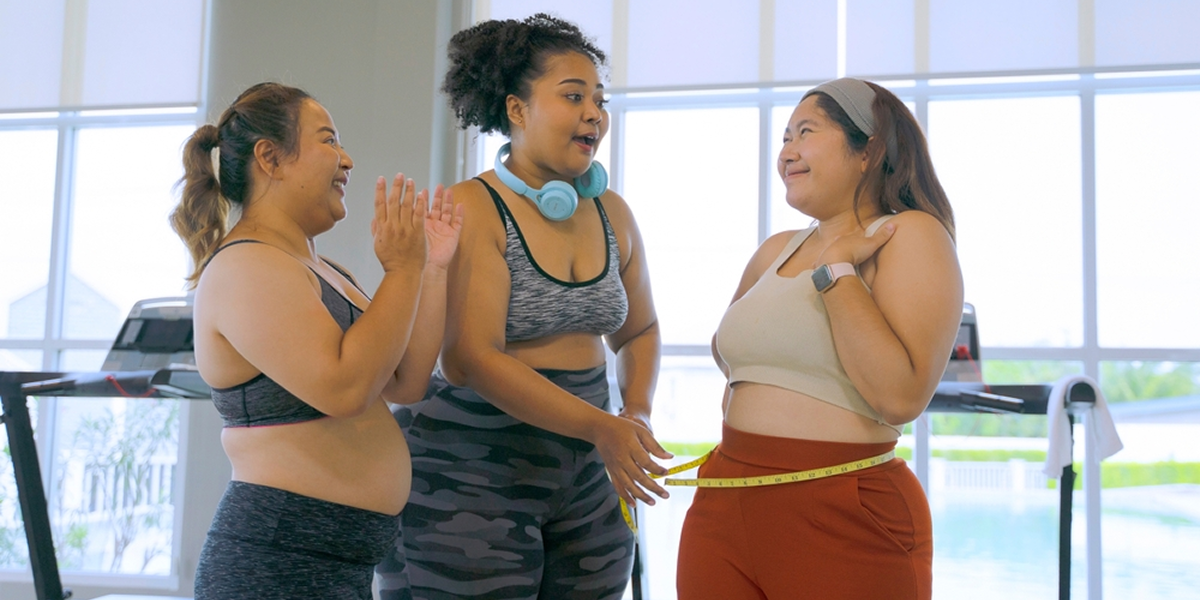
If you want to get in better shape, one of the best things you can do is pick an exercise that will help you lose weight. Regular physical activity increases calorie expenditure, boosts metabolic rate, and maintains a state of high energy. The best physical activities, when coupled with a healthy diet, can hasten fat loss and aid in long-term weight maintenance. Discovering exercises that work, make you happy, and are simple to incorporate into your daily schedule is the most important thing.
What Makes the Best Physical Activity for Weight Loss
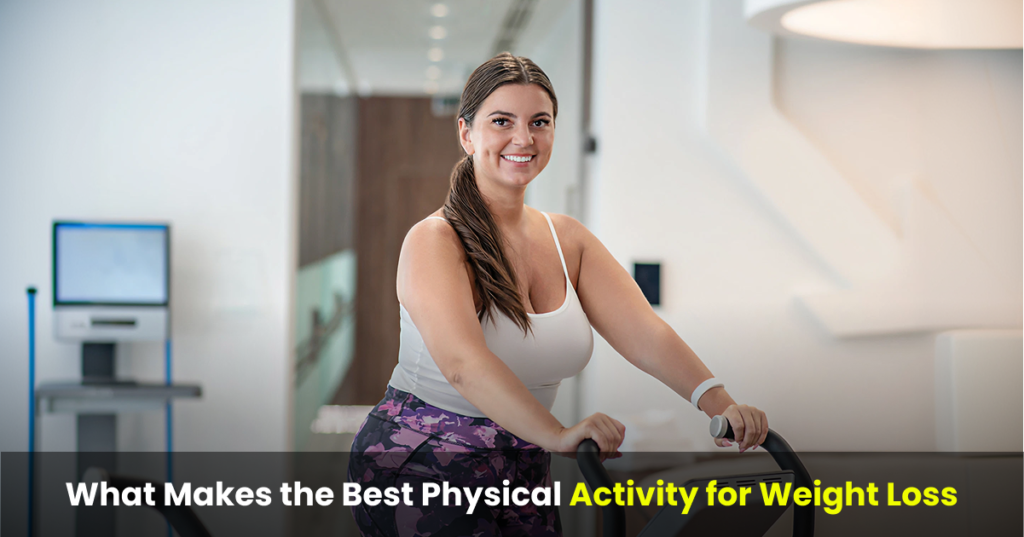
It is not how fast you can burn calories but rather how frequently, intensely, and consistently you do that counts in losing weight from exercise. The type of physical exercise involving multiple muscle movements and increasing the rate of your heartbeat works best in burning fats. Nevertheless, physical exercise must be enjoyable to enable you to maintain your exercise regimen consistently. To optimize your physical fitness exercises, therefore, you need to balance your physical workouts between aerobic exercise, resistance exercise, and flexibility exercise. The 10 best physical activity for weight loss are:
1. Running
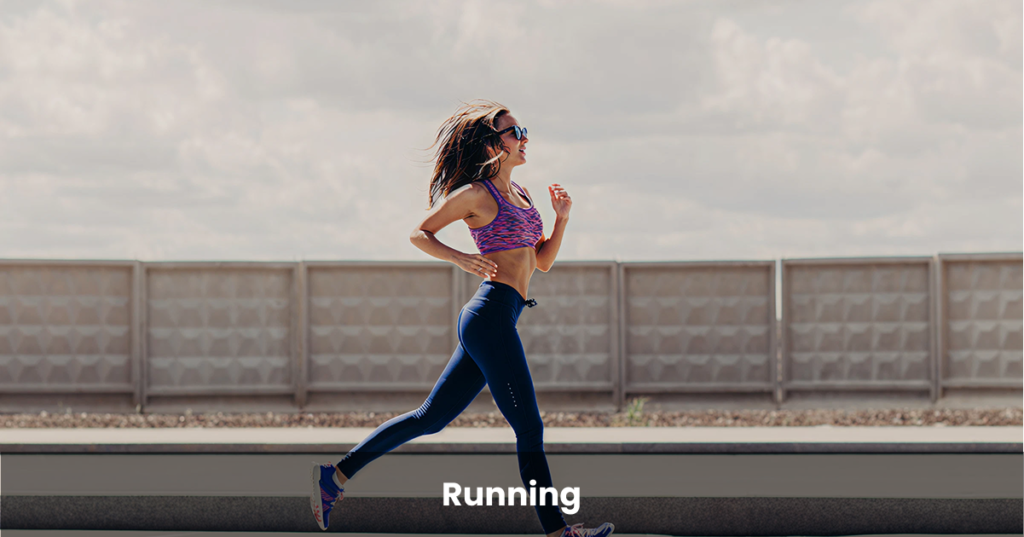
Running burns calories faster than most things you’ll actually do consistently. Your body pulls from fat stores for energy, heart rate goes up, and the whole thing snowballs in a good way.
Start easy. Decent shoes matter more than people admit. Keep your back straight, let your arms move freely, and don’t obsess over speed early on. It comes naturally once your body adjusts. Thirty minutes a day is plenty. Even twenty is something.
2. Cycling
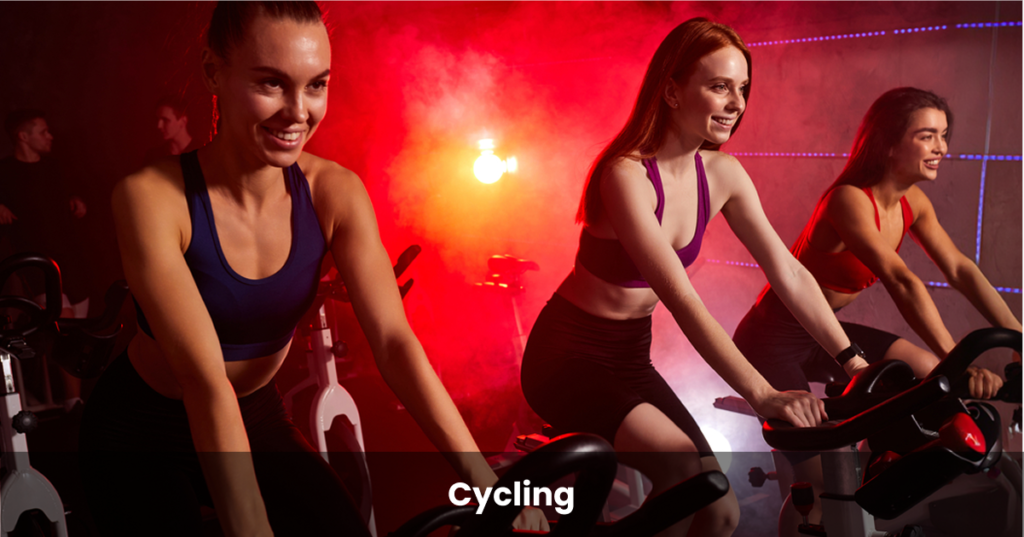
Cycling doesn’t beat up your joints the way running does. Your knees and hips stay relatively happy, which means you can actually do it consistently and consistency is where fat loss happens.
Your legs build strength along the way, and your cardiovascular fitness follows without you having to think much about it. Before you start, get the seat height right. Too low and your knees take the strain; too high and each pedal stroke feels awkward. After that, just ride at a pace that isn’t easy, and make it harder over time with more resistance, more speed, whatever keeps it from feeling like a warm-up.
Outdoors or stationary both work. The best one is whichever you’ll actually show up for.
3. Jump Rope
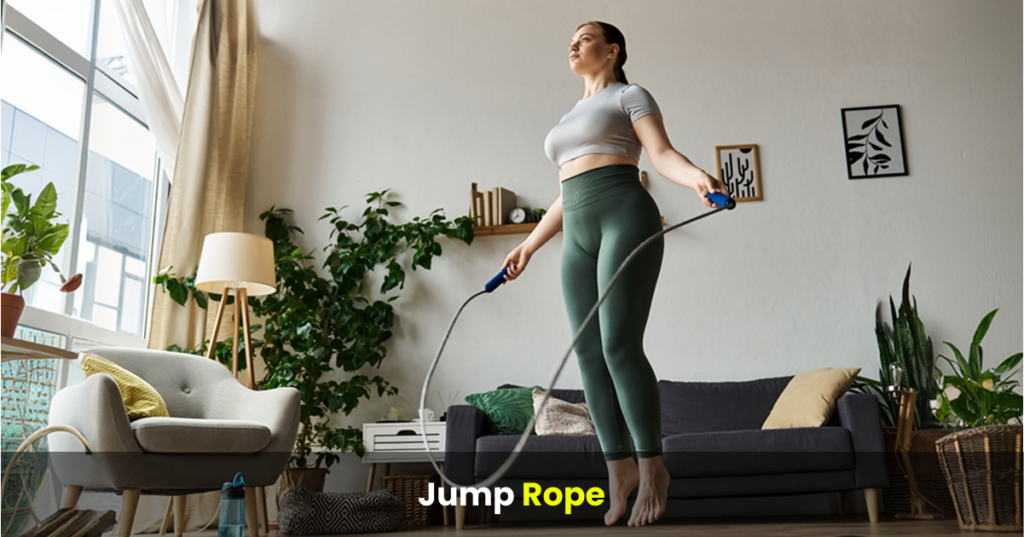
Jump rope is probably the most underrated workout tool most people own and never use. It’s small, cheap, and ten minutes of actual effort will leave you more winded than a half hour of casual gym time.
The form isn’t complicated. Elbows in, handles relaxed, land on your toes. The mistake most beginners make is jumping too high, you barely need to leave the ground. Keep it small and fast.
Don’t try to go for long stretches at first. Short bursts work better anyway. Thirty seconds hard, rest, repeat. Build from there. Fifteen minutes of that and you’ve done more than you think.
4. HIIT (High-Intensity Interval Training)

HIIT is brutal in the best way. You work as hard as you can for a short burst, rest just long enough to catch your breath, then go again. That cycle intensity, recovery, intensity is what makes it so effective for burning calories without spending an hour doing it.
The classic version is simple: sprint for 30 seconds, walk for a minute, repeat for 15 to 20 minutes. Most people underestimate how hard that actually is until they try it.
One thing worth paying attention to is falling apart fast when you’re tired. Sloppy movements at high intensity is how small injuries happen. Slow down a little before you start cutting corners. The workout still counts.
5. Walking
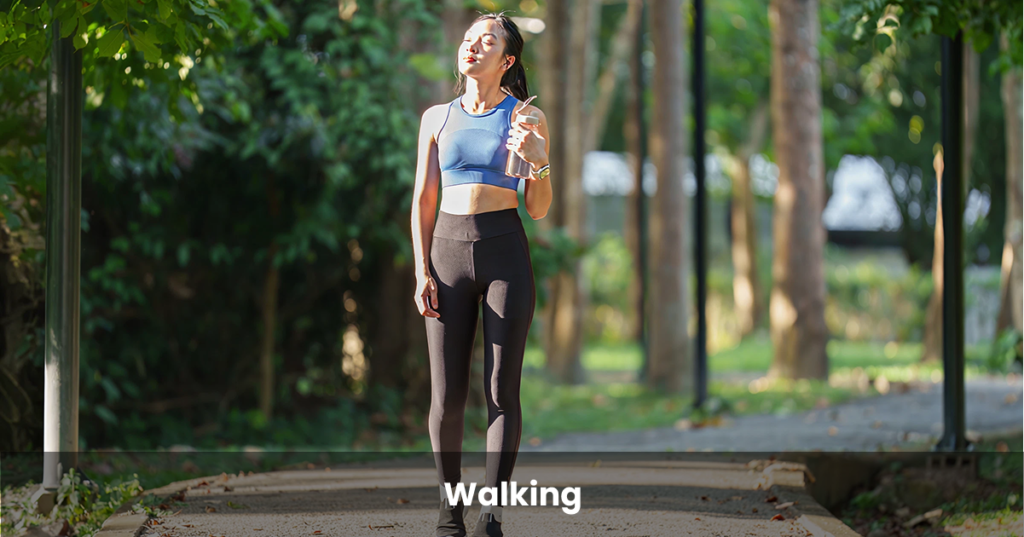
Walking doesn’t get enough credit. People write it off as too easy to matter, but brisk walking the kind where you’re moving with purpose, not browsing your phone burns real calories and is something most people can actually stick with long-term.
People don’t say it enough that that last part is important. The best exercise is the one you’ll do tomorrow too.
Make sure your pace is fast enough to make talking hard. Back straight, arms swinging, eyes forward. Thirty to forty-five minutes is the sweet spot, long enough to count, short enough that it doesn’t feel like a commitment you’ll quietly abandon by Thursday.
6. Swimming
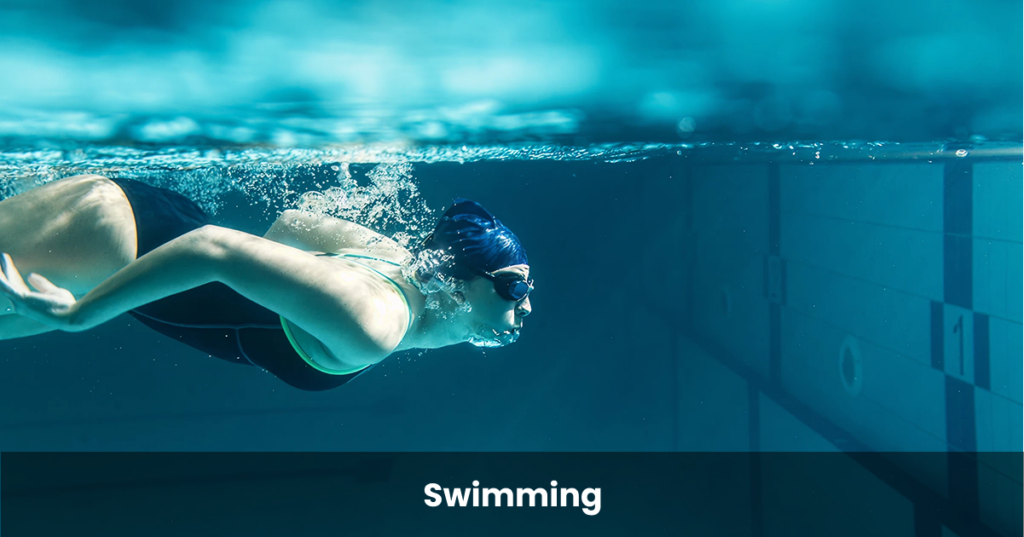
Swimming is quietly one of the most complete workouts you can do. Every stroke pulls from your arms, legs, and core at the same time and the water absorbs all the impact, so your joints don’t pay the price your effort deserves.
It’s especially worth considering if running or jumping aggravates your knees or hips. A lot of people discover swimming later than they should have.
Start easy. Pick a pace you can hold for a few laps without your form falling apart. Breathing matters more than speed at first, get that right and everything else follows naturally. Once the water starts feeling less like resistance and more like rhythm, push harder. More laps, faster pace, shorter rest between sets.
It takes a few sessions to stop feeling awkward in the water. Stick with it past that point.
7. Dancing
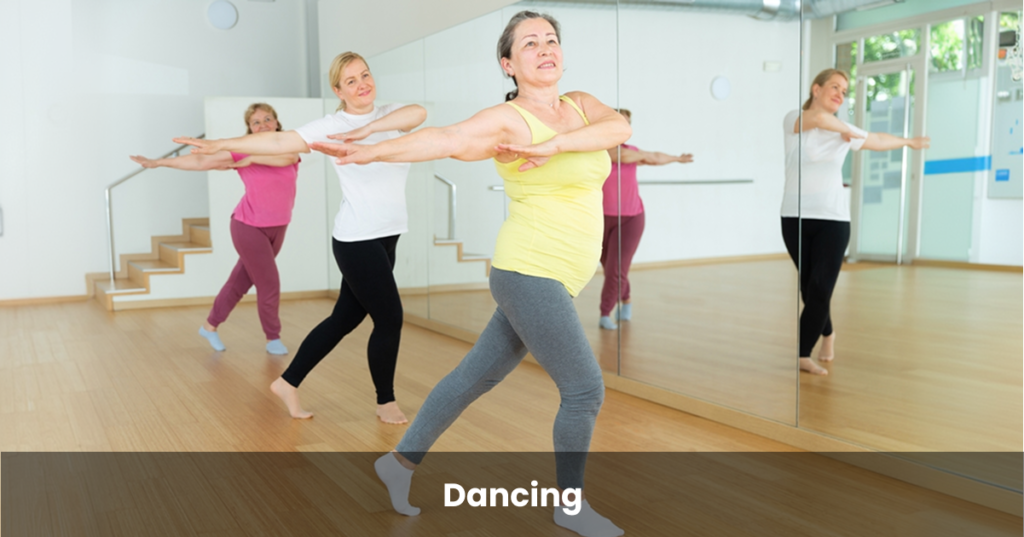
Dancing is probably the only workout where you genuinely forget you’re exercising. Not in the motivational-poster sense literally. You’re focused on the music, the next move, keeping up with the room, and somewhere in there forty minutes disappear.
Zumba is the easiest entry point for most people. It’s basically choreographed cardio disguised as a group activity, and the energy in a good class carries you further than willpower usually does alone.
The technique isn’t complicated, follow the rhythm, keep your body moving, don’t stop to think too hard about whether you’re doing it right. Most of the calories come from sustained movement anyway, not perfect form.
The real secret is that it doesn’t feel like a chore. And for a lot of people, that’s the only reason they actually show up consistently.
8. Weight Training
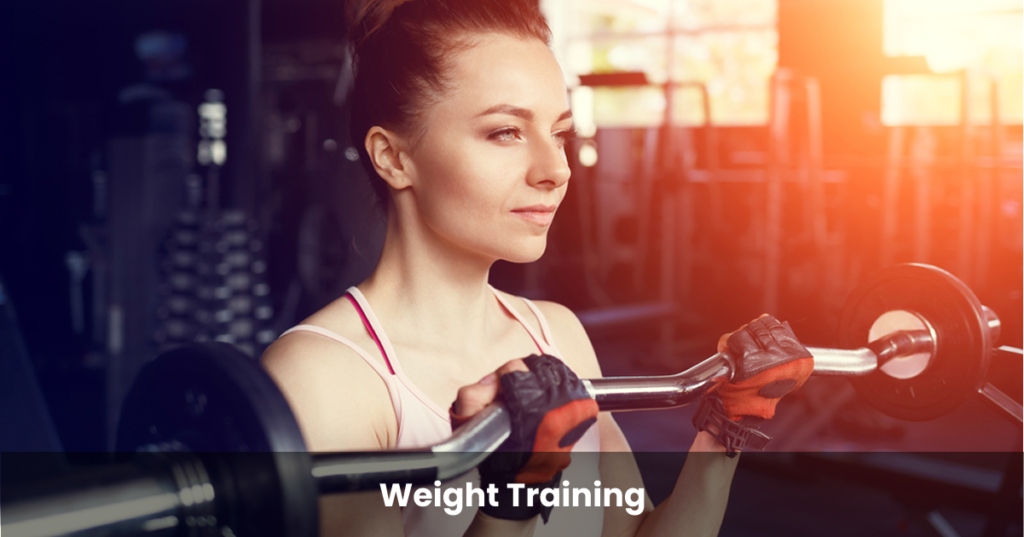
Most people start weight training to look better and stay for the metabolism benefits. Muscle burns calories at rest not dramatically, but consistently and that compounds over time in a way that an extra cardio session once a week never quite does.
Start with light weights. Seriously, lighter than you think. Squats, deadlifts, and bench press are worth learning early because they work a lot of muscle at once and carry over to almost everything else you’ll do in the gym.
Form matters more than the number on the weight. A heavy squat with bad mechanics is just a slow injury waiting to happen. Get the movement right first controlled on the way down, deliberate on the way up and the strength follows naturally.
Add weight gradually. When the current load stops being a challenge, go up. Not before.
9. Bodyweight Exercises
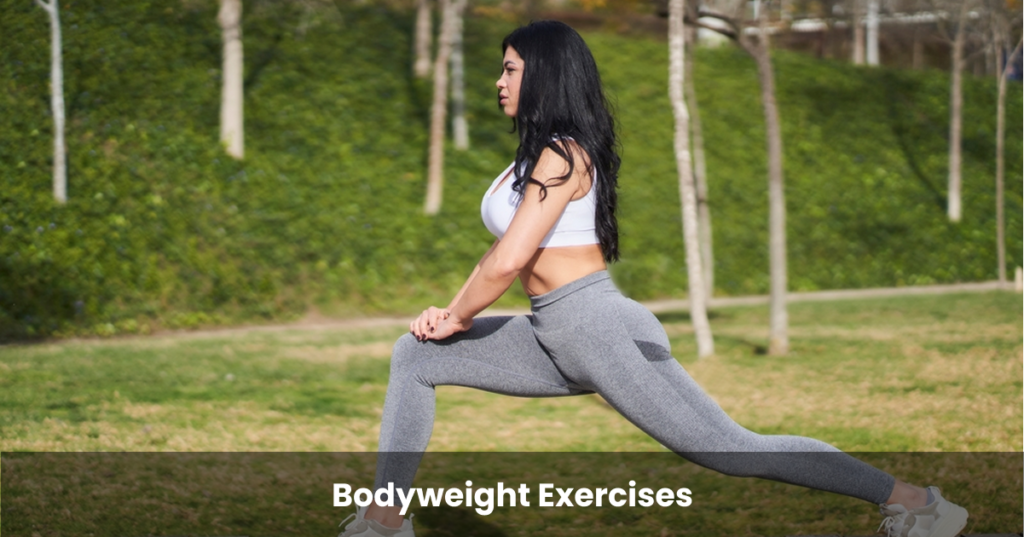
Bodyweight training gets written off as the beginner option, which is wrong. Push-ups, squats, and lunges done properly are genuinely hard, harder than most people expect when they first slow down and actually feel what’s happening in each rep.
The no-equipment part is real too. Hotel room, backyard, living room floor the workout follows you everywhere, which removes the most common excuse for skipping it altogether.
Form is where most people quietly cheat themselves. Back straight, core braced, movement slow and deliberate especially on the way down. That’s where the actual work happens. A fast, sloppy squat is just jumping without leaving the ground. Slow it down and suddenly twenty reps feels like a completely different exercise.
Start there. Get the movement honest before you worry about volume or adding difficulty.
10. Yoga
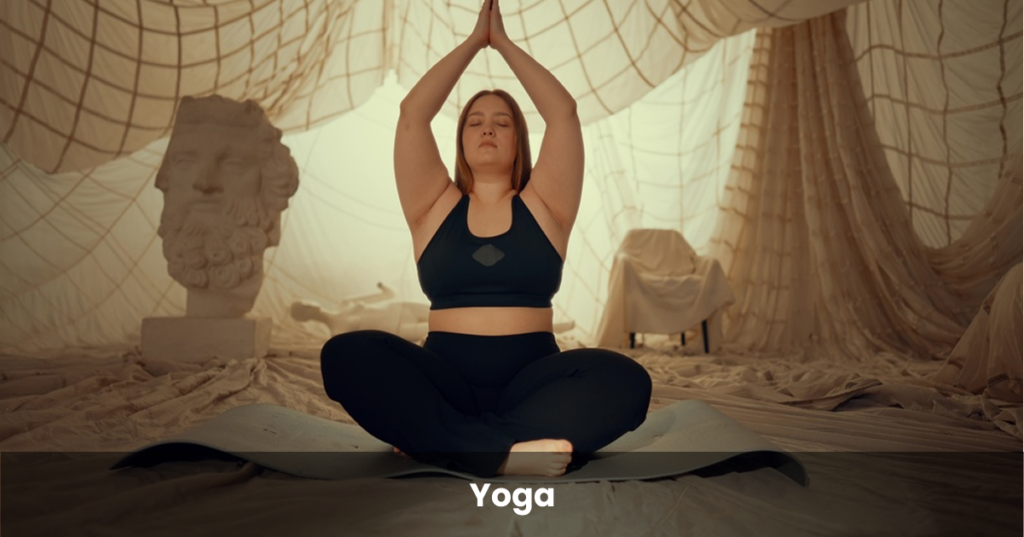
Yoga gets underestimated constantly. People see slow movements and assume it’s stretching with background music then they hold warrior pose for a full minute and discover muscles they forgot they had.
The connection to weight loss isn’t obvious at first. It’s not primarily a calorie burner. What it does is bring stress down, and chronic stress is genuinely one of the harder things to work around when you’re trying to lose weight. High cortisol makes your body hold onto fat. Yoga chips away at that consistently in a way that an aggressive workout sometimes can’t.
Plank, warrior, sun salutation these are worth starting with. They build real strength and flexibility at the same time. The breathing isn’t just atmosphere either. Holding a pose steadily while breathing deliberately is harder than it looks, and that’s the point.
It takes a few weeks before the body starts feeling different. Most people notice the stress reduction before anything else. The toning follows quietly behind.
Tips to Maximize Weight Loss
- Stay consistent with your workouts
- Combine cardio and strength training
- Maintain a balanced diet
- Stay hydrated
- Get enough sleep
Frequently Asked Questions (FAQs)
1. What is the best physical activity for weight loss?
To maximize results, it’s best to do both cardiovascular and strength training.
2. How long should I exercise daily?
For weight loss, it’s recommended to do it for at least 30 to 45 minutes.
3. Can beginners try these exercises?
Starting slowly and gradually increasing the intensity is a good idea.
4. Is diet important for weight loss?
Along with a healthy diet, exercise is even more effective.
5. Which exercise burns the most calories?
To burn the most calories, try high-intensity interval training (HIIT) or go for a run.
6. How soon will I see results?
With regularity, effects can be seen within a few weeks.
Conclusion
Nobody sticks with an exercise they hate. That’s the part most fitness advice skips over the list of best exercises only matters if you actually show up for them.
The ten exercises covered here are genuinely effective. But the real variable isn’t which one burns the most calories on paper. It’s which one you’ll still be doing six weeks from now when the novelty wears off and life gets in the way. That’s where most routines fall apart not from lack of effort, but from lack of enjoyment.
Start with whatever feels the least like punishment. Walk before you run, literally if needed. Add intensity gradually, not all at once. And don’t measure progress only in weight, how you feel, how you move, how much energy you carry through the day tells a more honest story than the scale does on any given morning.
The goal isn’t a perfect routine. It’s a sustainable one.

