

Most diet plans fail for one boring reason: they’re too complicated to stick with past Wednesday. This 7-day diet plan for weight loss skips the fancy supplements and the 12-ingredient smoothies. It’s built around real food, reasonable portions, and a structure you can actually repeat next week if it works for you.
A quick note before you start: this is a general framework, not medical advice. If you have a health condition, are pregnant, or take medication that interacts with diet, check with a doctor before changing how you eat.
Why a 7-Day Structure Works
A week is long enough to build a habit and short enough that you don’t feel locked into a “diet” forever. You get three full days of trial and error, a midweek check-in, and a couple of days to adjust before the plan resets. Think of it less as a strict rulebook and more as a template you can reuse and tweak based on what your body actually responds to.
The Basic Framework
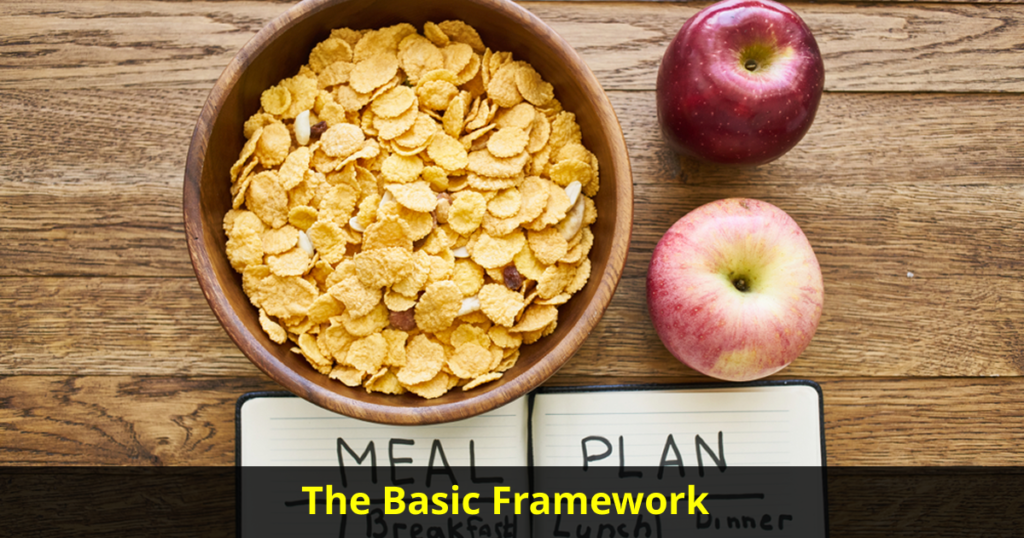
Each day of this plan follows the same loose structure:
Breakfast

Rotates between eggs or Greek yogurt, always paired with a fiber source like spinach, berries, or oats, so mornings feel varied without needing a new recipe every day.
Lunch

Lean protein, chicken, tofu, fish, beans, whatever’s in the fridge, piled on a big mound of greens or mixed veggies. Throw in a small scoop of rice or quinoa if you’re feeling it.
Dinner

A lighter version of lunch, keeping the protein and vegetables but cutting back on or skipping the grains altogether, with options like baked salmon, grilled chicken, or a tofu stir-fry.
Snack

One or two a day, kept protein- or fiber-focused rather than sugar-based, think a handful of nuts, plain yogurt, cottage cheese with fruit, or raw vegetables with hummus. For more ideas, this list of healthy snacks for weight loss covers options beyond the basics here.
You don’t need to weigh every gram of food. Use your hand as a rough guide, a palm-sized portion of protein, a fist of vegetables, a cupped hand of carbs.
Day-by-Day Breakdown
Day 1: Reset
Start with eggs and spinach for breakfast, a grilled chicken salad for lunch, and baked salmon with roasted vegetables for dinner. Drink water before meals instead of during them if you tend to overeat.
Day 2: Build the Habit
Greek yogurt with berries in the morning. A turkey and vegetable wrap for lunch. Stir-fried tofu or shrimp with brown rice for dinner. This is usually the day motivation dips, so keep meals simple rather than impressive.
Day 3: Midweek Check
Oatmeal with nut butter for breakfast. A big vegetable soup with beans for lunch. Grilled chicken thighs with a side salad for dinner. Notice how you feel, energy, hunger, sleep, and adjust portions slightly if something’s off.
Day 4: Lean Into Vegetables
Smoothie with protein powder, spinach, and frozen berries for breakfast. A lentil bowl for lunch. Baked white fish with steamed broccoli for dinner. Plant-heavy days like this one tend to be lower in calories without feeling restrictive, and if you’re wondering whether smoothies actually help with weight loss, it’s worth a closer look before you rely on them daily.
Day 5: Protein Focus
Scrambled eggs with tomatoes and avocado for breakfast. Grilled steak (or tempeh, depending on the day) on a pile of mixed greens. Not exciting, but it works. Chicken stir-fry with plenty of vegetables for dinner. Higher protein here helps with recovery if you’ve added any movement this week.
Day 6: Flexible Day
Cottage cheese with fruit for breakfast. Whatever leftovers are in the fridge for lunch, built around the same protein-vegetable-grain ratio. A simple dinner like grilled chicken and a side salad. This is the day to eat out or socialize without derailing the week, just keep portions in mind.
Day 7: Plan Ahead
Whole grain toast with eggs for breakfast. A big salad with a protein of your choice for lunch. A moderate dinner, and some time spent prepping for next week, chopping vegetables, portioning proteins, whatever makes Monday easier.
What Actually Moves the Needle

The meals matter less than a few underlying habits:
Protein at every meal: It keeps you full longer than carbs alone and helps preserve muscle while you lose fat.
Vegetables filling half the plate: Not because they’re magic, but because they add volume and fiber without many calories.
Consistent meal timing: Skipping meals and then overeating later undoes most of the benefit of a “clean” day.
Water before you reach for a snack: Thirst gets misread as hunger more often than people expect.
None of this is groundbreaking. It works because it’s boring enough to repeat.
Common Mistakes to Avoid

Cutting calories too aggressively backfires, you end up hungry, tired, and likely to overeat by Thursday. Skipping breakfast because you’re “not hungry” often just moves the hunger to 3pm, when your choices tend to get worse. And treating one off day as a failure, instead of just going back to the plan for the next meal, is usually what turns a slip into a spiral.
Should You Repeat This Plan?

If the week feels sustainable, repeat it with small swaps, different proteins, different vegetables, whatever’s in season or on sale. If certain days felt like a slog, that’s useful information. Diet plans aren’t one-size-fits-all — and if you want something built around your body instead of a general template, here’s how a custom diet plan can improve your results.
FAQs

How much weight can I expect to lose in 7 days?
It depends on your starting point, but a realistic range is 1–3 pounds for most people, with more of that in the first few days being water weight rather than fat. If you’re losing much faster than that, you’re probably cutting calories too hard, which is why it doesn’t last.
Do I need to count calories on this plan?
No. The hand-portion method covers most of what calorie counting is trying to do anyway. If you like tracking and it keeps you consistent, go for it, just don’t let it become the reason you quit by day 3.
Can I follow this plan if I’m vegetarian or vegan?
Yes. Swap the animal proteins for tofu, tempeh, lentils, chickpeas, or a plant-based protein powder. The structure, protein, vegetables, a moderate carb, stays the same regardless of where the protein comes from.
What if I’m still hungry between meals?
Snack-wise, stick to something with protein or fiber in it, nuts, a piece of fruit, plain yogurt, that kind of thing. Constant hunger usually means portions are too small, not that you’re doing something wrong.
Is it okay to drink coffee or tea on this plan?
Yes, black coffee and unsweetened tea don’t interfere with anything here. It’s the added sugar and cream in large quantities that quietly adds up over a week.
What happens after day 7 – do I start over?
You can repeat the same week, rotate in different proteins and vegetables, or use it as a template and build your own version. The point isn’t to follow it forever; it’s to prove to yourself that eating this way is doable.
The Bottom Line
A 7-day diet plan for weight loss doesn’t need to be complicated to work. Protein, vegetables, reasonable portions, and consistency will get you further than any 7-day “detox” or extreme calorie cut. Start with this framework, pay attention to how you feel, and adjust from there.
Not sure this plan fits your body or goals? Book a free 15-minute consultation with a registered dietitian to get a plan tailored to you.

