
Weight loss is not just about willpower or cutting calories. Many people try diet after diet, only to regain the weight months later. This cycle can feel frustrating and discouraging. The reason many weight-loss efforts fail is that they don’t address the behaviors and habits that cause weight gain in the first place.
This is where obesity behavior therapy plays a powerful role. Instead of focusing on short-term results, this approach helps individuals understand why they eat the way they do and how to change those behaviors safely and sustainably. Guided obesity behavior therapy offers a healthier, science-backed path to long-term weight management.
What Is Obesity Behavior Therapy?

Obesity behavior therapy is a structured, evidence-based treatment that focuses on modifying behaviors linked to weight gain. It looks at the emotional, psychological, and environmental factors that influence eating and physical activity habits.
Rather than prescribing rigid diet rules, this therapy teaches practical skills such as:
- Self-monitoring food intake and activity
- Setting realistic goals
- Managing stress and emotional triggers
- Developing healthier routines
- Improving motivation and accountability
This approach is often guided by trained professionals such as dietitians, therapists, or health coaches who specialize in behavior change.
How Obesity Behavior Therapy Works

One of the first steps in obesity behavior therapy is identifying habits that contribute to weight gain. This could involve eating snacks late at night, consuming food in response to emotions, consuming oversized servings, or living an inactive lifestyle.
By recognizing triggers such as stress, boredom, or social situations individuals gain awareness of when and why unhealthy behaviors occur.
Building Healthier Daily Routines

Small, consistent changes lead to lasting results. Obesity behavior therapy focuses on building routines that are realistic and sustainable, such as:
- Eating meals at regular times
- Planning balanced meals
- Increasing daily movement gradually
- Improving sleep habits
These changes help stabilize energy levels and reduce impulsive eating.
Self-Monitoring for Long-Term Success
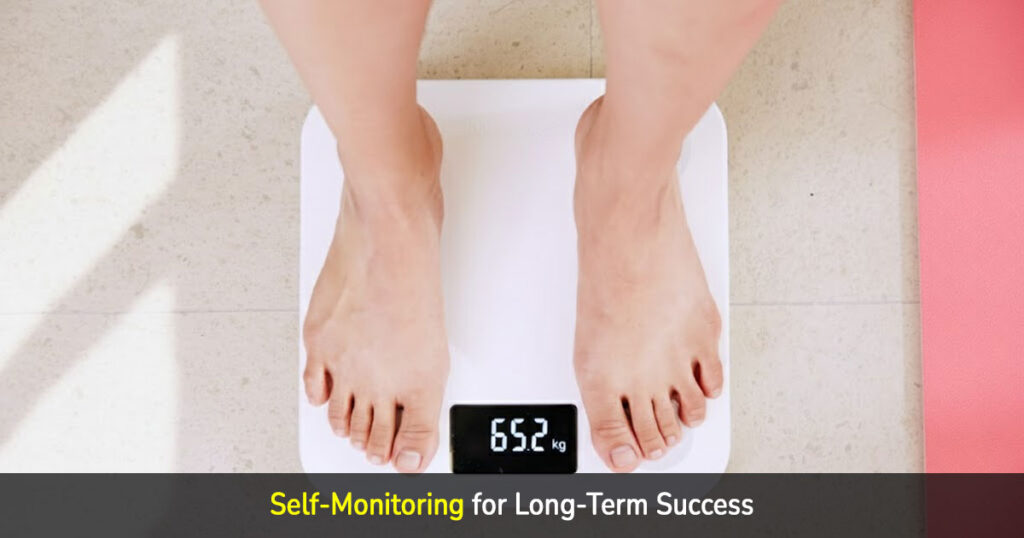
Tracking behaviors is a core part of therapy. This may involve logging meals, physical activity, emotions, or hunger levels. Self-monitoring helps individuals see patterns and make informed adjustments without guilt or judgment.
Benefits of Guided Obesity Behavior Therapy

1. Promotes Safe and Sustainable Weight Loss

Unlike crash diets, obesity behavior therapy encourages gradual weight loss. This reduces health risks and makes it easier to maintain results over time.
2. Addresses Emotional and Stress-Related Eating

People often consume food due to their feelings instead of actual physical hunger. Therapy helps develop healthier coping strategies, such as stress management techniques and mindful decision-making.
3. Improves Long-Term Weight Maintenance

Research shows that behavior-based interventions are more effective for maintaining weight loss compared to dieting alone. By changing habits, results last longer.
4. Supports Mental and Emotional Well-Being

Weight struggles often affect self-esteem and confidence. Guided therapy provides encouragement, structure, and accountability, improving overall mental health.
5. Encourages Realistic Goal Setting

Instead of unrealistic expectations, obesity behavior therapy focuses on achievable goals that fit your lifestyle, making progress feel motivating rather than overwhelming.
Who Can Benefit from Obesity Behavior Therapy?

This approach is suitable for a wide range of individuals, including those who:
- Have tried multiple diets without success
- Struggle with emotional or binge eating
- Want a non-restrictive weight-loss method
- Have obesity-related health conditions
- Need long-term lifestyle support rather than short-term fixes
It can be used alone or combined with nutrition plans, physical activity programs, or medical treatments when appropriate.
Obesity Behavior Therapy vs Traditional Dieting
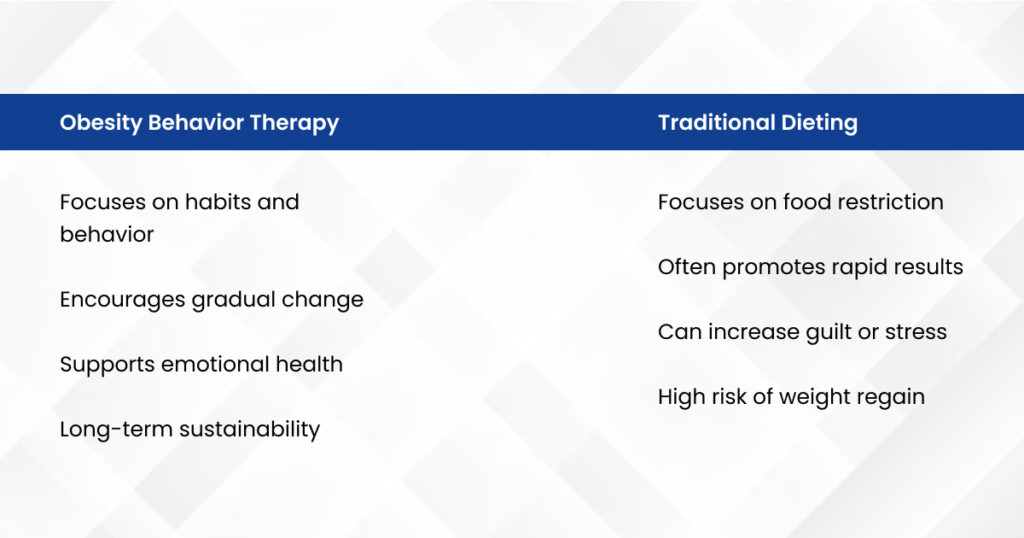
This comparison highlights why behavior therapy is increasingly recommended by healthcare professionals.
What to Expect from Guided Therapy Sessions

Guided obesity behavior therapy typically includes:
- One-on-one or group sessions
- Personalized behavior strategies
- Ongoing progress tracking
- Problem-solving support
- Motivation and accountability
Sessions are designed to adapt as your needs change, ensuring continuous progress.
Frequently Asked Questions About Obesity Behavior Therapy
1. Is obesity behavior therapy safe?
Yes. It focuses on healthy behavior changes and avoids extreme or risky practices.
2. How much time is needed before results become visible?
Many people notice improved habits within weeks, with steady weight loss over several months.
3. Is it necessary to adhere to a rigid eating plan?
No. The focus is on balanced eating and behavior awareness, not rigid dieting.
4. Can obesity behavior therapy work without exercise?
While physical activity helps, therapy can begin without intense exercise and gradually introduce movement.
5. Is professional guidance necessary?
Guidance improves results by providing structure, support, and accountability, though some principles can be practiced independently.
6. Can this therapy help prevent weight regain?
Yes. By addressing the root causes of weight gain, it greatly reduces the risk of regaining lost weight.
Conclusion: A Smarter, Healthier Way to Lose Weight
Obesity behavior therapy offers a safe, effective, and sustainable solution for people who want lasting weight loss without extreme dieting. By focusing on behavior change, emotional awareness, and realistic habits, it helps individuals build a healthier relationship with food and their bodies.
If you’re ready to break free from the cycle of dieting and regain control of your health, guided obesity behavior therapy may be the key to long-term success.
