

Many people, in their haste to lose weight, pay little attention to common items like milk and instead concentrate on decreasing calories. Picking the right kind of weight loss milk will help you shed extra pounds, maintain your muscle mass, and avoid snacking between meals. A well-balanced diet might benefit from the inclusion of the correct kind of milk because it provides high-quality protein, vital nutrients, and fewer calories.
Learn about the top milks for weight reduction, see how they stack up against the competition, and incorporate them into your routine with ease with the help of this article.
Why Milk Choice Matters for Weight Loss

Milk has several nutritional benefits beyond its use as a drink. It contains protein, calcium, vitamins, and good fats. Still, the effects of different kinds of milk on slimming down are not universal. The significance of your decision is as follows:
- Calories from full-fat and low-fat alternatives are drastically different.
- Consumption of protein affects satiety and the ability to keep muscle.
- Blood sugar and desires are affected by sugar levels.
When looking for weight loss milk, it’s important to choose one that has few calories, plenty of protein, and little added sugars.
Key Nutrients to Look for in Weight-Loss-Friendly Milk

Take these vital nutrients into account before settling on a milk option:
Protein
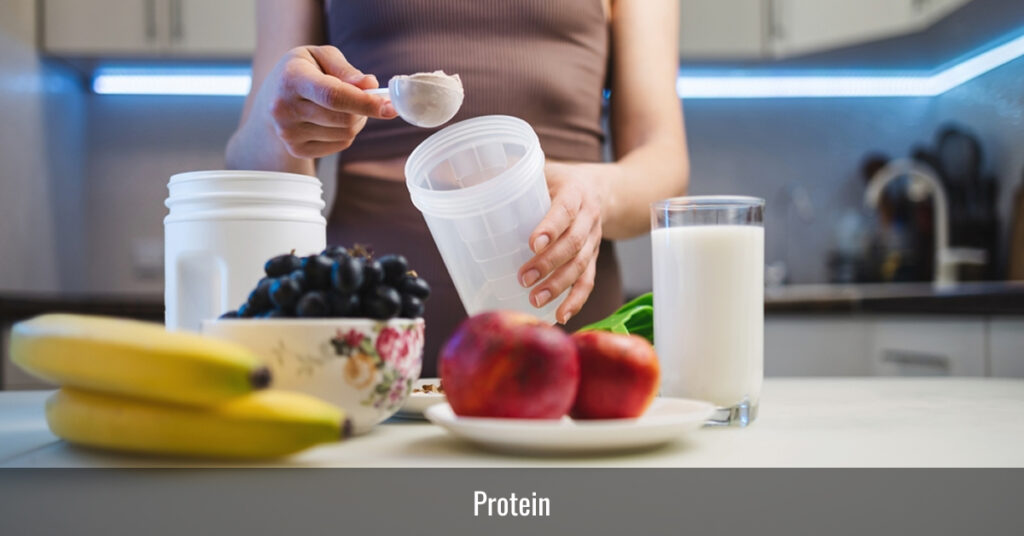
Consuming protein aids in weight loss by making you feel full on less food. Appetite suppression is typically improved with a higher protein diet.
Calories
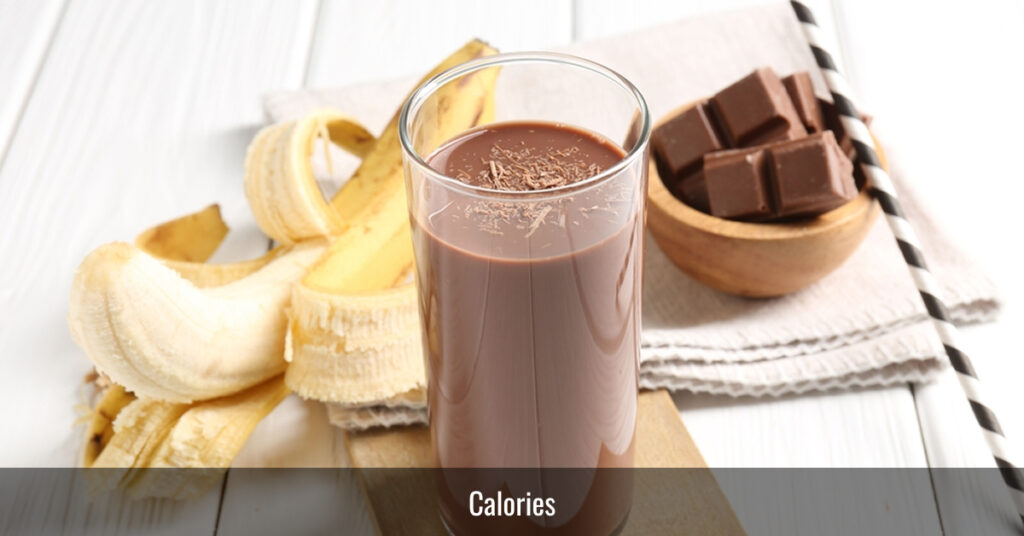
Staying in a calorie deficit doesn’t have to mean sacrificing nutrition for lower-calorie milk.
Sugar
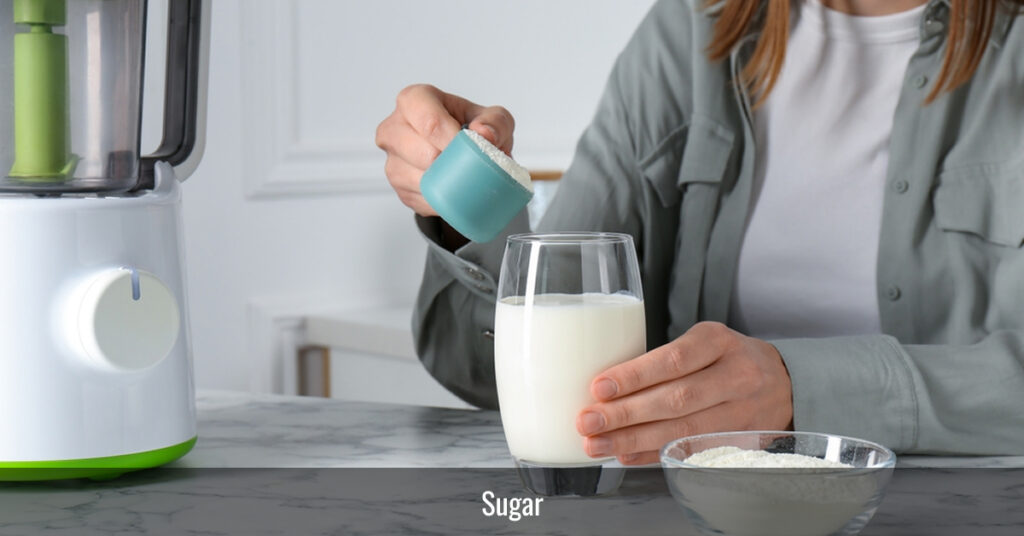
While it is acceptable to consume a small amount of naturally occurring sugars (such lactose), the use of added sugars can be detrimental to progress.
Healthy Fats (Optional)

Fat, in moderation, can improve flavor and fullness, while fat, in excess, rapidly increases calorie intake.
Best Milk for Weight Loss: Top Options Compared
1. Skim Milk (Fat-Free Milk)
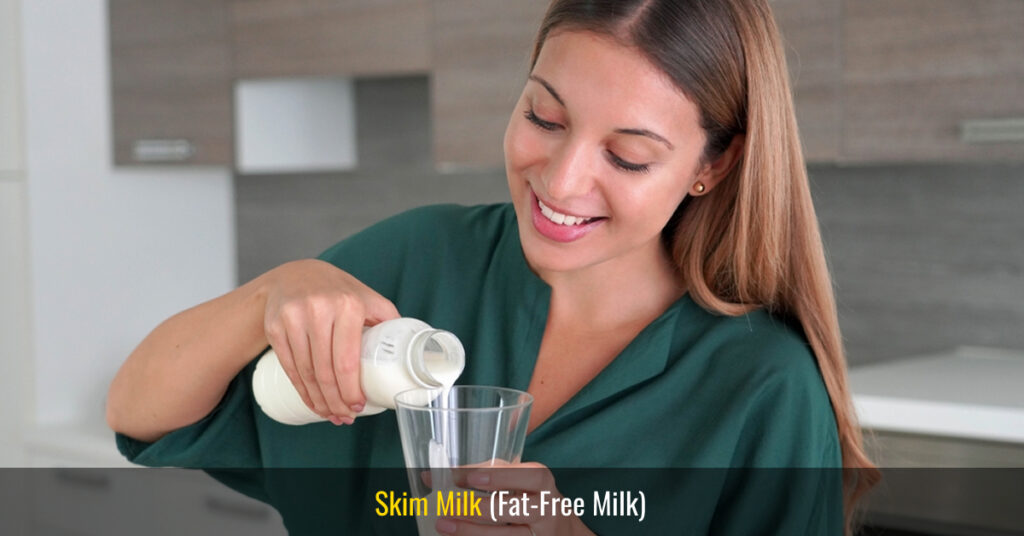
Many people who are trying to lose weight use skim milk.
Why it works:
- Quite low calorie content
- Rich in protein.
- Packed with vitamin D and calcium
About 80 calories are contained in one serving.
Per cup, there is around 8 grams of protein.
If you’re trying to lose weight and want a milk that’s high in protein and low in calories, skim milk is a great choice.
2. Low-Fat Milk (1% or 2%)
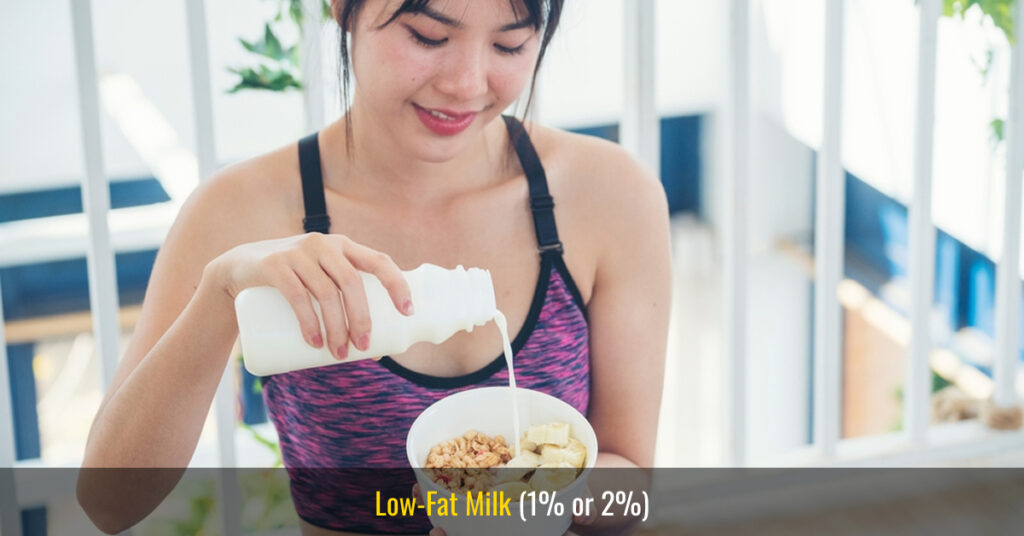
To satisfy both your taste buds and your need to watch your calorie intake, choose low-fat milk.
Benefits:
- Feels a little more luxurious than skim milk
- Continuing with a calorie deficit
- An adequate amount of protein
A cup contains 100–120 calories.
Each cup contains approximately 8 grams of protein.
For those who want a thicker milk alternative but still want to lose weight, this is a good choice.
3. Unsweetened Almond Milk
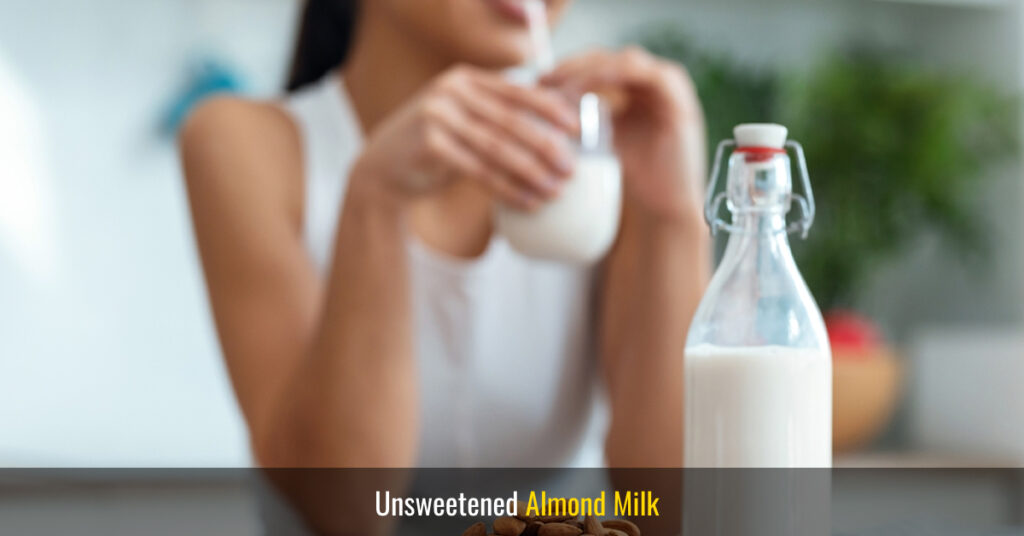
Fans of low-calorie diets often choose almond milk.
Why it’s effective:
- Almost no calories
- No dairy or lactose
- Energizing and delightful
About 30 to 40 calories are contained in one cup.
The amount of protein in one cup is approximately 1 gram.
Although almond milk doesn’t have much protein, it’s perfect for low-calorie drinks like smoothies or coffee.
4. Soy Milk (Unsweetened)
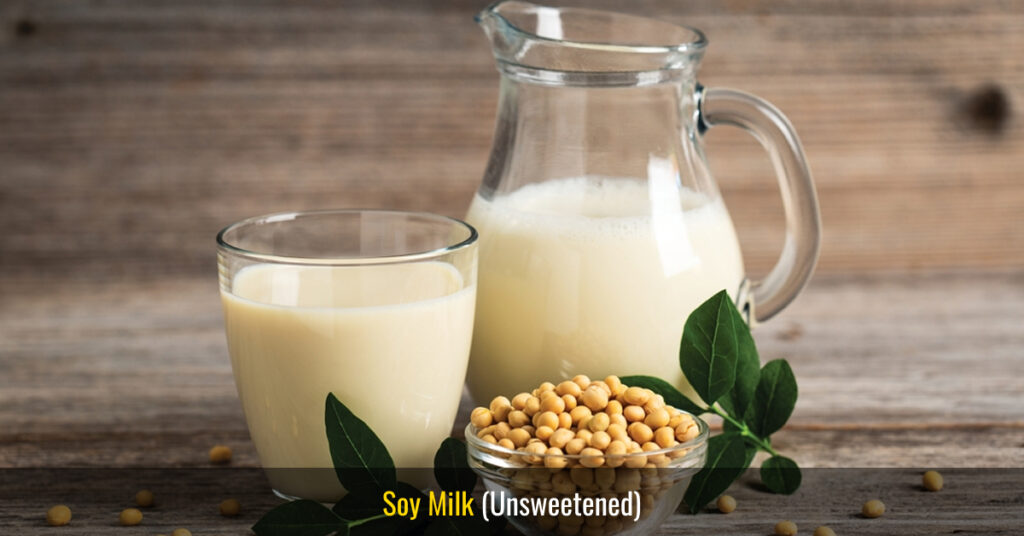
A great plant-based option for slimming down is soy milk.
Key advantages:
- Quite a bit of protein for a vegan milk
- Reduces hunger pangs
- Equal in nutritional value to milk from cows
Around 80 to 90 calories are contained in one cup. It
Every cup contains approximately 7 to 8 grams of protein.
Many people believe that unsweetened soy milk is the most effective plant-based milk for weight loss if you are trying to eliminate dairy.
5. Low-Fat or Non-Fat Greek Yogurt Milk (Drinkable)
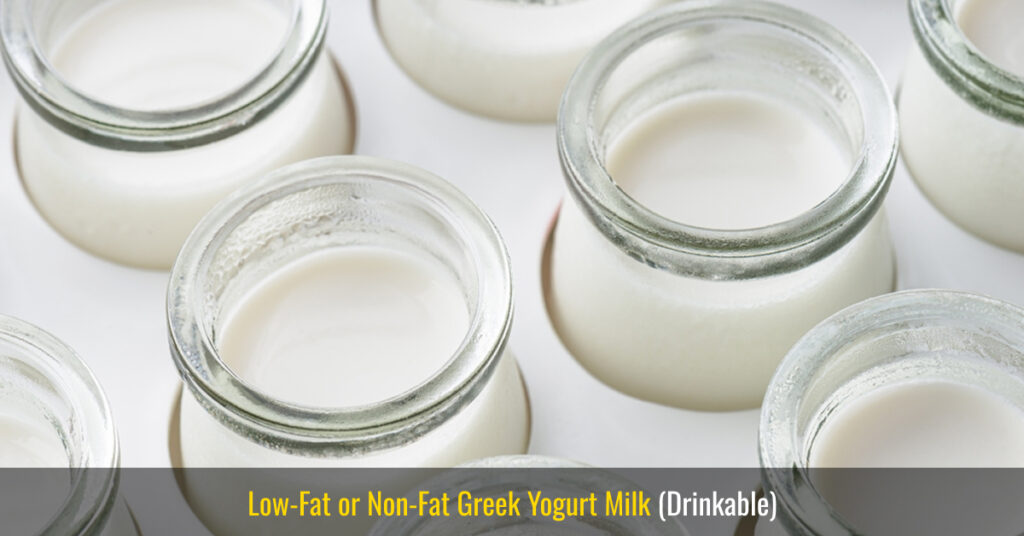
Despite being a cultured dairy product, the fact that Greek yoghurt milk is drinkable is worth mentioning.
Why it helps:
- A very high protein content
- Rich and fulfilling
- Aids digestive well-being
This serving has approximately 90 to 120 calories.
Serving size: 10-15 grams of protein
This is a great choice for when you need something to replace a meal or after an exercise.
Which Milk Should You Avoid When Losing Weight?
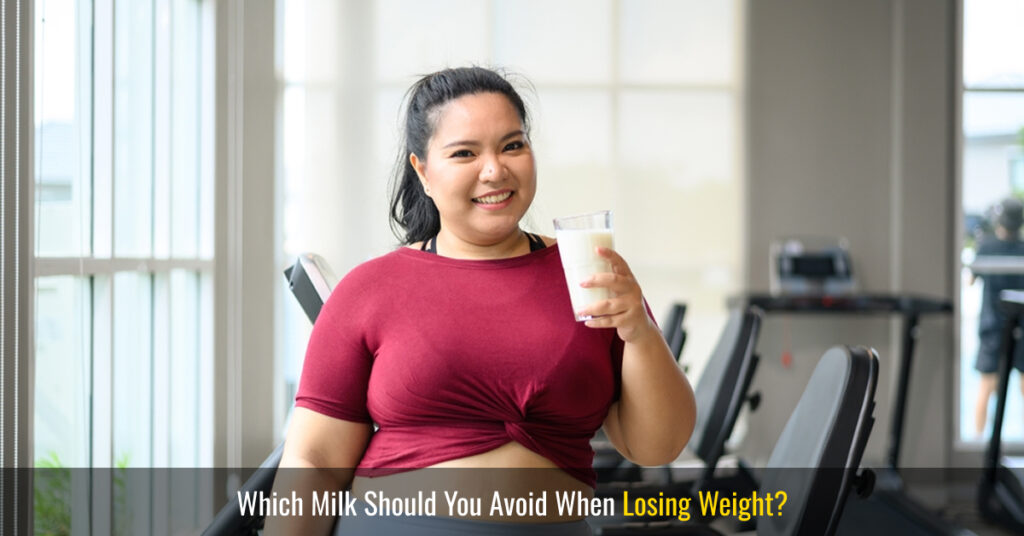
Losing weight isn’t possible with every kind of milk.
Full-Cream / Whole Milk
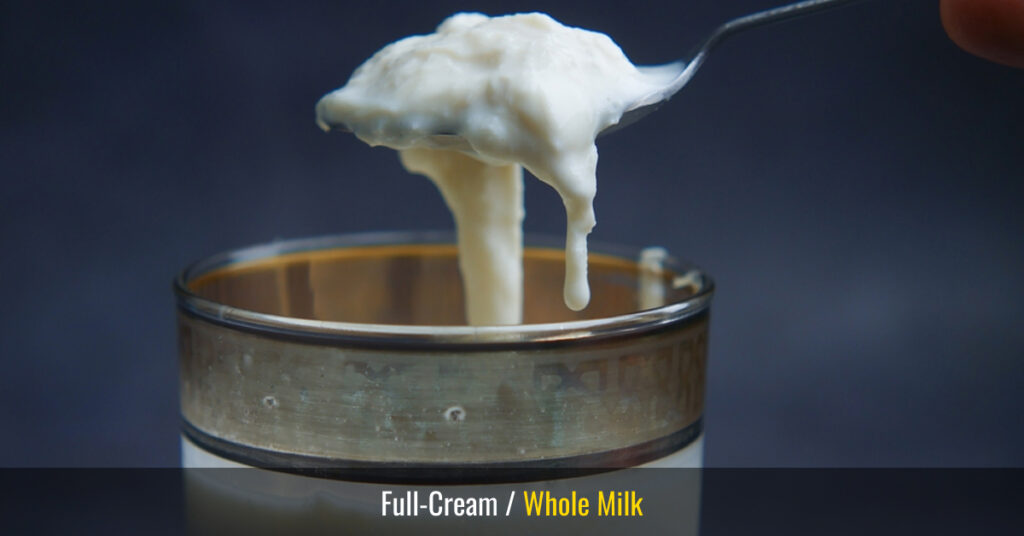
- Greater caloric density
- Simple to eat too much of
Flavored or Sweetened Milk
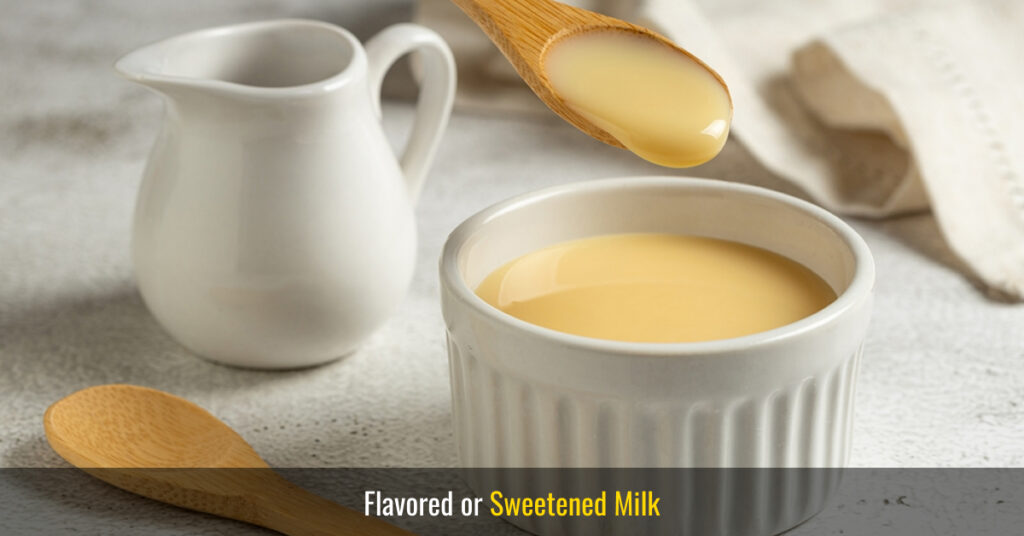
- Calorie consumption is increased by added sugars.
- May induce desires
Sweetened Plant Milks
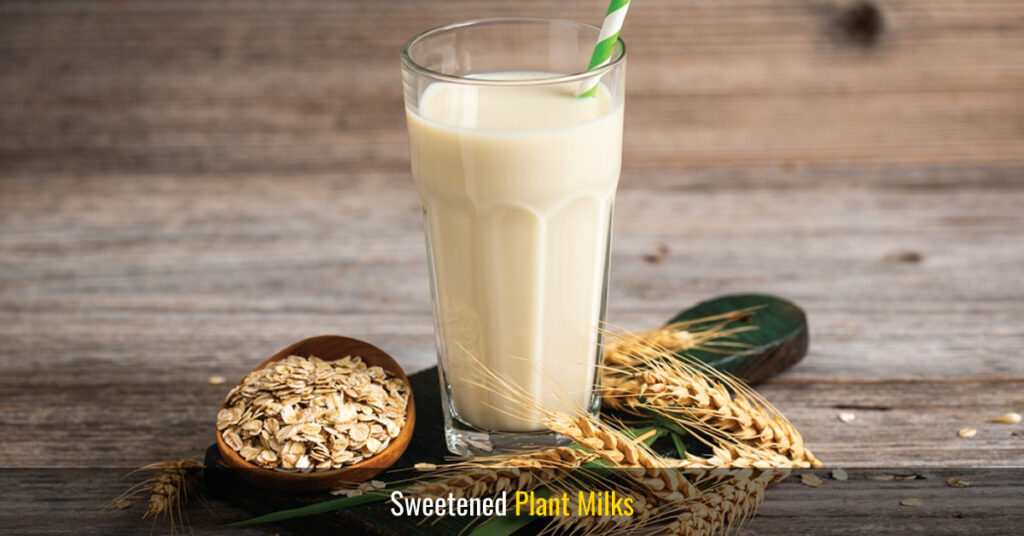
- Frequently have sugars that aren’t immediately obvious
- Less filling than versions without sugar
You can remain committed to selecting the optimal milk for weight loss if you steer clear of them.
How to Use Milk Effectively for Weight Loss

Use milk strategically for maximum benefit:
- Incorporate high-protein milk with your morning meal to stave off hunger pangs
- Smoothies made with fruits and fiber can benefit from low-calorie milk.
- Use skim or almond milk instead of sugary coffee creamers.
- To help your muscles recuperate after an exercise, drink some milk.
Be mindful of your portion management and limit yourself to one cup per serving.
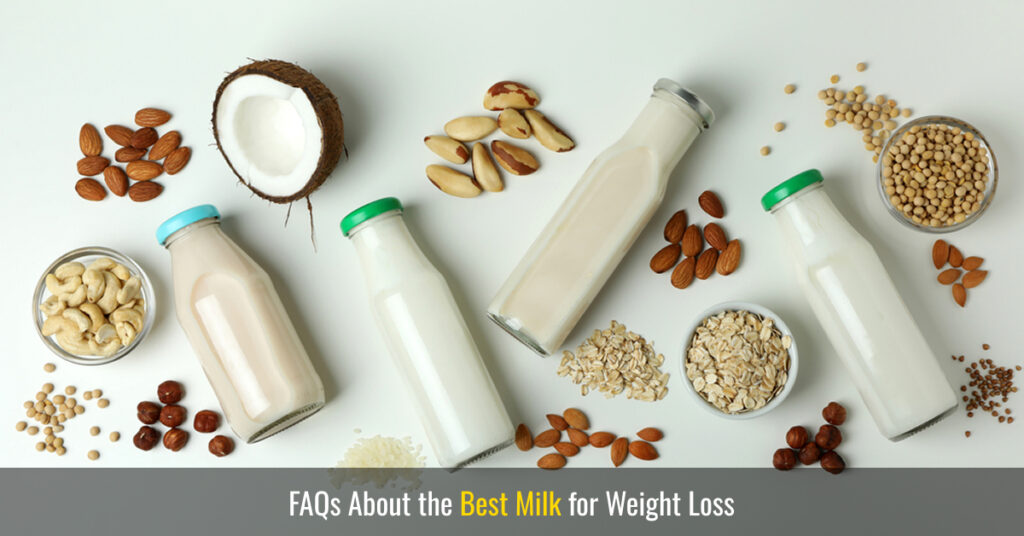
FAQs About the Best Milk for Weight Loss
1. In your opinion, which kind of milk is ideal for losing weight?
Top alternatives are skim milk and unsweetened soy milk because of their low calorie and high protein content.
2. Can almond milk aid in the reduction of excess fat?
Unsweetened almond milk does contain little calories, however it works best when combined with other protein options.
3. Is it okay to consume milk daily while dieting?
Assuming you stick to your calorie limits and select the optimal milk for weight loss, the answer is yes.
4. In terms of weight loss, is it better to use dairy or plant-based milk?
In some cases, yes. You can find plant-based milks that are lower in calories and have more protein than other dairy options.
5. Can milk make you gain tummy fat?
Belly fat cannot be caused by milk. Gaining fat is possible with an excess of calories, regardless of source.
6. Is it okay to drink milk before bed if I’m dieting?
A moderate glass of low-calorie, high-protein milk can keep you from nibbling too late at night.
Conclusion
Losing weight with milk isn’t as simple as picking the right kind; it only requires some smart shopping. There are a variety of milks that can help you achieve your goals, including skim, low-fat, almond, and unsweetened soy. Maintaining a healthy weight requires a diet low in calories, rich in protein, and low in sugar.
The correct milk decision, in conjunction with a healthy diet and frequent exercise, can be an easy and effective strategy in your fight against obesity.
